IanTwenty@piefed.social to Programming@programming.devEnglish · 4 days agoPHP: you get your burgermedia.piefed.socialimagemessage-square39linkfedilinkarrow-up1134arrow-down18file-text
arrow-up1126arrow-down1imagePHP: you get your burgermedia.piefed.socialIanTwenty@piefed.social to Programming@programming.devEnglish · 4 days agomessage-square39linkfedilinkfile-text
minus-squareusername_1@discuss.tchncs.delinkfedilinkarrow-up16·4 days agoWow! That’s why I love analogies – in most cases they don’t make any sense especially if you are not a specialist in the theme.
minus-squareEphera@lemmy.mllinkfedilinkarrow-up2·4 days agoWell, they do have some prose in the link that OP also posted, but yeah, it is a bit rough, especially if you’re trying to understand the vulnerability…
minus-squaretourist@lemmy.worldlinkfedilinkarrow-up6·4 days agoholy fuck 70% of websites are running PHP? are they sure? Am I going to find a php binary in a node_modules directory
minus-squareNoDignity@lemmy.worldlinkfedilinkEnglisharrow-up3·3 days agoI kinda buy the 70% claim, mostly because lots of old CMS systems are built using PHP some of which are still extremely popular like wordpress.
minus-squareadarza@lemmy.calinkfedilinkEnglisharrow-up5·2 days agoover half of that 70% is just wordpress.


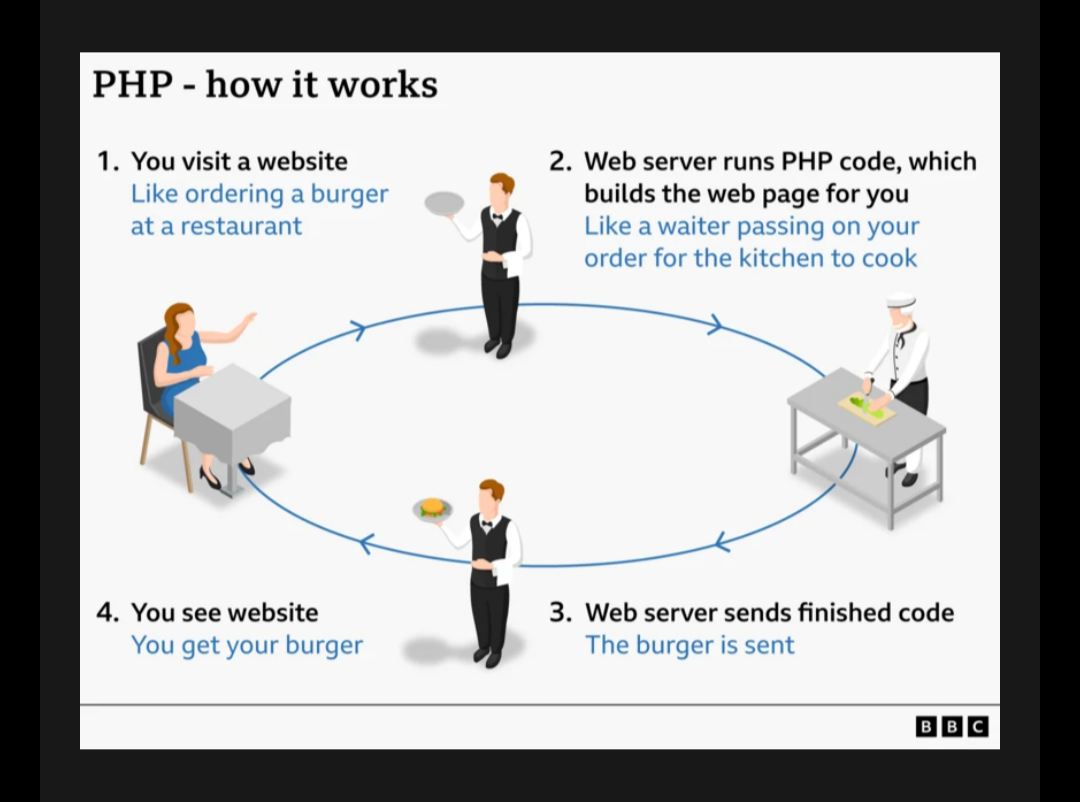
Wow! That’s why I love analogies – in most cases they don’t make any sense especially if you are not a specialist in the theme.
Well, they do have some prose in the link that OP also posted, but yeah, it is a bit rough, especially if you’re trying to understand the vulnerability…
holy fuck
70% of websites are running PHP?
are they sure?
Am I going to find a php binary in a node_modules directory
I kinda buy the 70% claim, mostly because lots of old CMS systems are built using PHP some of which are still extremely popular like wordpress.
over half of that 70% is just wordpress.