I have an old house, with old plumbing. So when my toilet gets clogged. I step outside, brush away the pebbles and lift a massive concrete slab that opens up to an open sewage where I can shovel away all the paper and shit that is stuck there. Not very fancy, but it’s easy and it works every time (doesn’t happen very often, but more often now my kids get older).
This is because your pipes are cracked. Sewer lines are always moist and full of… Fertilizer. So roots will find any excuse to grow into them. Unfortunately the only foolproof fix is to replace the pipes.
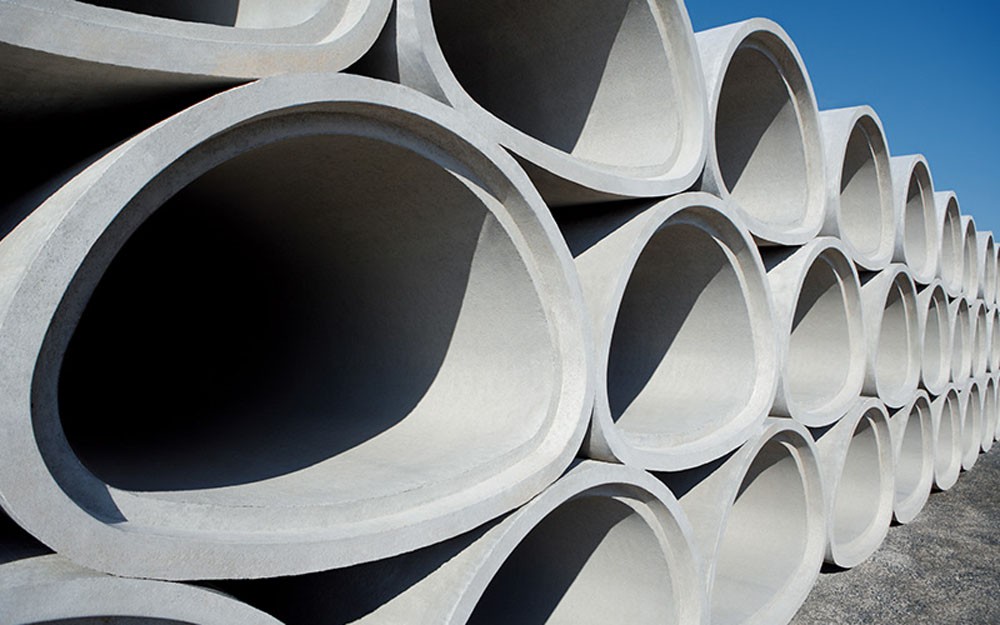
Technically, if you’re trying to maximize the amount of solid waste that can be carried, the best drainage pipes would actually be oval or arch shaped. A flatter bottom means the pipe can reliably carry more solids with less liquid. Because moving water doesn’t need to be deep to push something along. Round pipes collect a majority of the water in the bottom of the circumference, while the sides stay fairly dry. Meaning larger solids can easily wedge over or stick to the sides, while relatively deep water rushes below it. Flattening the bottom of the pipe allows the rushing water to spread out more, meaning it can more reliably carry solids that would get stuck in a round pipe.
But you don’t want hard corners with something like a rectangular pipe, because the corners would concentrate pressure and be more prone to breaking. And the flat pipe walls would be prone to bending or flexing, (or just outright breaking, if your pipe material is brittle). So an oval (or arch shaped) pipe is a good combination of the two, with a relatively flat bottom and a smooth curve to evenly distribute force. So hard blockages (especially now that environmental regulations have implemented things like maximum gallons-per-flush limits) would be less common with oval pipes.
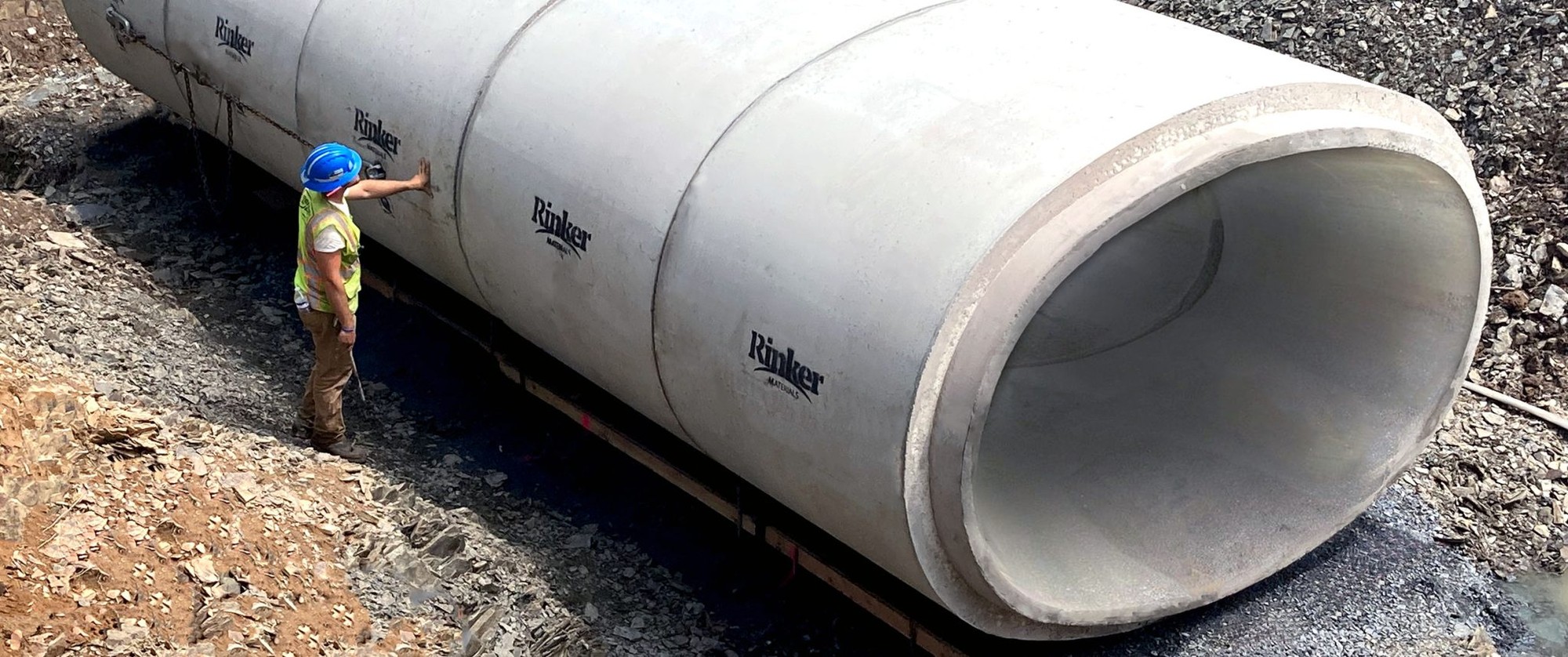
And if you look at things like weather drains under bridges, that is often exactly what they use. In those cases, the engineers are usually worried about maximizing fluid throughput without drastically changing the height of something like a bridge. Because if you need a pipe with a specific capacity for adequate weather drainage, your only real option is to make the pipe big enough to fit that capacity. But if you have something like a bridge, increasing the circumference of a round pipe could make the bridge laughably tall (and prohitively expensive). And you can’t just dig the bottom lower, because water only flows downhill. So if you lowered your drain pipe, you’d need to dig out everything downstream of that bridge too. Which is obviously not feasible for most projects. So instead of increasing the entire circumference, they just make the drain wider while keeping the height the same. And congrats, now you have designed the modern oval storm drain:
There is a storage well, I wouldn’t call it “sceptic tank”, but I’m not sure what the definition exactly is. But it’s only temporary storage. From there, it’s connected to the town’s regular sewage system.
There used to be a gravel pit, where the sewage would literally sink into the ground. But that’s way before my time. Last summer I was digging a hole for a trampolime and found the gravel pit. That was not fun to dig through. It wasn’t dirty or anything, just hard work.
If the outlet to the sewer is at the top of the well it’s a septic tank. The plumber ought to have bypassed it and sent your shit straight to the sewer.
If the outlet to the sewer is at the bottom, it’s an inspection well. You can use it to inspect your shit flow, but it’s not really supposed to store anything.
Seriously though, if the well is full it’s because something is blocked after the well, f.i. the town sewer being full from a flood or something. Unless of course the well outlet is blocked itself.
If the well is empty but your shitter is overflowing, it means that that the blockage is before the well, f.i. rats or roots breaking your pipes underneath your house. That’s the kind of inspection you can do with an inspection well.
In all cases you need to call the plumber instead of stirring the well like a shit cauldron.
Forget about pressure washer attachments and snakes and stuff. Don’t waste your money on that. Use your money on calling the plumber instead. They can easily flush out your entire system and identity the problem cheaper than anything you can buy in be hardware store.



I have an old house, with old plumbing. So when my toilet gets clogged. I step outside, brush away the pebbles and lift a massive concrete slab that opens up to an open sewage where I can shovel away all the paper and shit that is stuck there. Not very fancy, but it’s easy and it works every time (doesn’t happen very often, but more often now my kids get older).
I don’t know what to do with this information
Be thankful that you don’t have to shovel shit lmao.
Although this is cheaper than having to call a plumber.
Only if the blockage is conveniently at the hole
It always is
In our area it’s the oak tree roots that are usually the culprit. It would be nice to be able to shovel those out.
This is because your pipes are cracked. Sewer lines are always moist and full of… Fertilizer. So roots will find any excuse to grow into them. Unfortunately the only foolproof fix is to replace the pipes.
Technically, if you’re trying to maximize the amount of solid waste that can be carried, the best drainage pipes would actually be oval or arch shaped. A flatter bottom means the pipe can reliably carry more solids with less liquid. Because moving water doesn’t need to be deep to push something along. Round pipes collect a majority of the water in the bottom of the circumference, while the sides stay fairly dry. Meaning larger solids can easily wedge over or stick to the sides, while relatively deep water rushes below it. Flattening the bottom of the pipe allows the rushing water to spread out more, meaning it can more reliably carry solids that would get stuck in a round pipe.
But you don’t want hard corners with something like a rectangular pipe, because the corners would concentrate pressure and be more prone to breaking. And the flat pipe walls would be prone to bending or flexing, (or just outright breaking, if your pipe material is brittle). So an oval (or arch shaped) pipe is a good combination of the two, with a relatively flat bottom and a smooth curve to evenly distribute force. So hard blockages (especially now that environmental regulations have implemented things like maximum gallons-per-flush limits) would be less common with oval pipes.
And if you look at things like weather drains under bridges, that is often exactly what they use. In those cases, the engineers are usually worried about maximizing fluid throughput without drastically changing the height of something like a bridge. Because if you need a pipe with a specific capacity for adequate weather drainage, your only real option is to make the pipe big enough to fit that capacity. But if you have something like a bridge, increasing the circumference of a round pipe could make the bridge laughably tall (and prohitively expensive). And you can’t just dig the bottom lower, because water only flows downhill. So if you lowered your drain pipe, you’d need to dig out everything downstream of that bridge too. Which is obviously not feasible for most projects. So instead of increasing the entire circumference, they just make the drain wider while keeping the height the same. And congrats, now you have designed the modern oval storm drain:
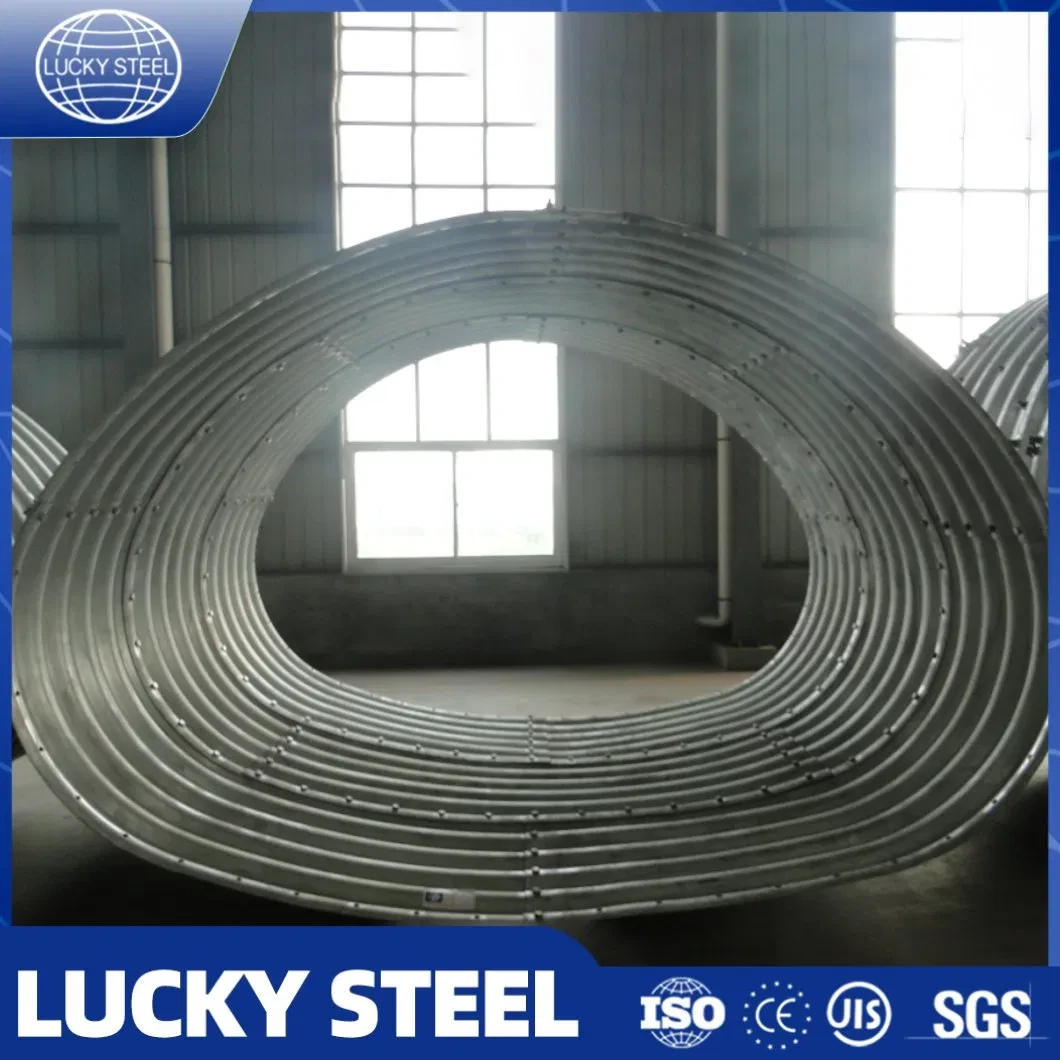
And the modern arch-shaped storm drain:
Wait what? You don’t even have a septic tank? It all just pours right into the ground?!
There is a storage well, I wouldn’t call it “sceptic tank”, but I’m not sure what the definition exactly is. But it’s only temporary storage. From there, it’s connected to the town’s regular sewage system.
There used to be a gravel pit, where the sewage would literally sink into the ground. But that’s way before my time. Last summer I was digging a hole for a trampolime and found the gravel pit. That was not fun to dig through. It wasn’t dirty or anything, just hard work.
If the outlet to the sewer is at the top of the well it’s a septic tank. The plumber ought to have bypassed it and sent your shit straight to the sewer.
If the outlet to the sewer is at the bottom, it’s an inspection well. You can use it to inspect your shit flow, but it’s not really supposed to store anything.
Seriously though, if the well is full it’s because something is blocked after the well, f.i. the town sewer being full from a flood or something. Unless of course the well outlet is blocked itself.
If the well is empty but your shitter is overflowing, it means that that the blockage is before the well, f.i. rats or roots breaking your pipes underneath your house. That’s the kind of inspection you can do with an inspection well.
In all cases you need to call the plumber instead of stirring the well like a shit cauldron.
Forget about pressure washer attachments and snakes and stuff. Don’t waste your money on that. Use your money on calling the plumber instead. They can easily flush out your entire system and identity the problem cheaper than anything you can buy in be hardware store.