This is because your pipes are cracked. Sewer lines are always moist and full of… Fertilizer. So roots will find any excuse to grow into them. Unfortunately the only foolproof fix is to replace the pipes.
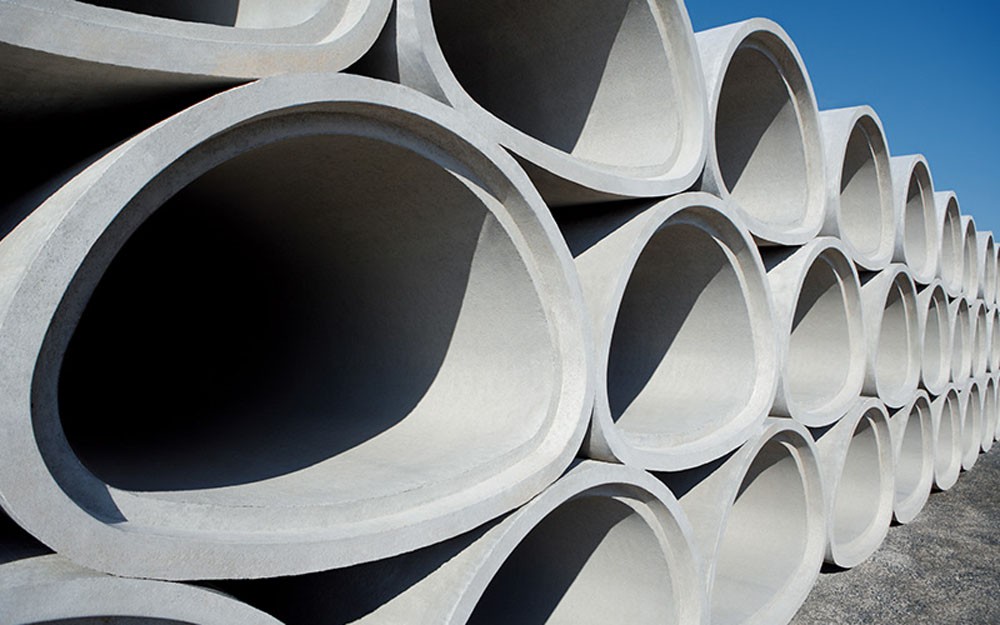
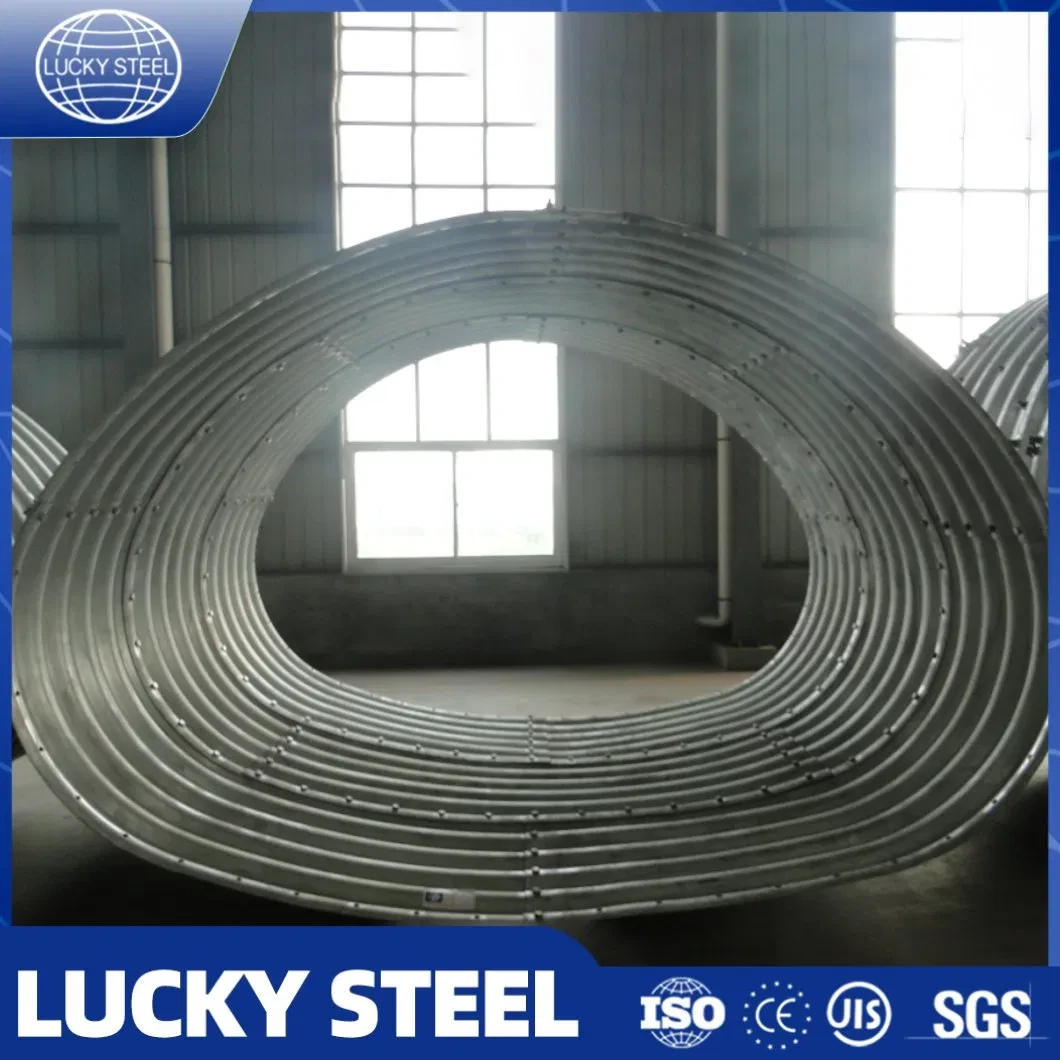
Technically, if you’re trying to maximize the amount of solid waste that can be carried, the best drainage pipes would actually be oval or arch shaped. A flatter bottom means the pipe can reliably carry more solids with less liquid. Because moving water doesn’t need to be deep to push something along. Round pipes collect a majority of the water in the bottom of the circumference, while the sides stay fairly dry. Meaning larger solids can easily wedge over or stick to the sides, while relatively deep water rushes below it. Flattening the bottom of the pipe allows the rushing water to spread out more, meaning it can more reliably carry solids that would get stuck in a round pipe.
But you don’t want hard corners with something like a rectangular pipe, because the corners would concentrate pressure and be more prone to breaking. And the flat pipe walls would be prone to bending or flexing, (or just outright breaking, if your pipe material is brittle). So an oval (or arch shaped) pipe is a good combination of the two, with a relatively flat bottom and a smooth curve to evenly distribute force. So hard blockages (especially now that environmental regulations have implemented things like maximum gallons-per-flush limits) would be less common with oval pipes.
And if you look at things like weather drains under bridges, that is often exactly what they use. In those cases, the engineers are usually worried about maximizing fluid throughput without drastically changing the height of something like a bridge. Because if you need a pipe with a specific capacity for adequate weather drainage, your only real option is to make the pipe big enough to fit that capacity. But if you have something like a bridge, increasing the circumference of a round pipe could make the bridge laughably tall (and prohitively expensive). And you can’t just dig the bottom lower, because water only flows downhill. So if you lowered your drain pipe, you’d need to dig out everything downstream of that bridge too. Which is obviously not feasible for most projects. So instead of increasing the entire circumference, they just make the drain wider while keeping the height the same. And congrats, now you have designed the modern oval storm drain:



Only if the blockage is conveniently at the hole
It always is
In our area it’s the oak tree roots that are usually the culprit. It would be nice to be able to shovel those out.
This is because your pipes are cracked. Sewer lines are always moist and full of… Fertilizer. So roots will find any excuse to grow into them. Unfortunately the only foolproof fix is to replace the pipes.
Technically, if you’re trying to maximize the amount of solid waste that can be carried, the best drainage pipes would actually be oval or arch shaped. A flatter bottom means the pipe can reliably carry more solids with less liquid. Because moving water doesn’t need to be deep to push something along. Round pipes collect a majority of the water in the bottom of the circumference, while the sides stay fairly dry. Meaning larger solids can easily wedge over or stick to the sides, while relatively deep water rushes below it. Flattening the bottom of the pipe allows the rushing water to spread out more, meaning it can more reliably carry solids that would get stuck in a round pipe.
But you don’t want hard corners with something like a rectangular pipe, because the corners would concentrate pressure and be more prone to breaking. And the flat pipe walls would be prone to bending or flexing, (or just outright breaking, if your pipe material is brittle). So an oval (or arch shaped) pipe is a good combination of the two, with a relatively flat bottom and a smooth curve to evenly distribute force. So hard blockages (especially now that environmental regulations have implemented things like maximum gallons-per-flush limits) would be less common with oval pipes.
And if you look at things like weather drains under bridges, that is often exactly what they use. In those cases, the engineers are usually worried about maximizing fluid throughput without drastically changing the height of something like a bridge. Because if you need a pipe with a specific capacity for adequate weather drainage, your only real option is to make the pipe big enough to fit that capacity. But if you have something like a bridge, increasing the circumference of a round pipe could make the bridge laughably tall (and prohitively expensive). And you can’t just dig the bottom lower, because water only flows downhill. So if you lowered your drain pipe, you’d need to dig out everything downstream of that bridge too. Which is obviously not feasible for most projects. So instead of increasing the entire circumference, they just make the drain wider while keeping the height the same. And congrats, now you have designed the modern oval storm drain:
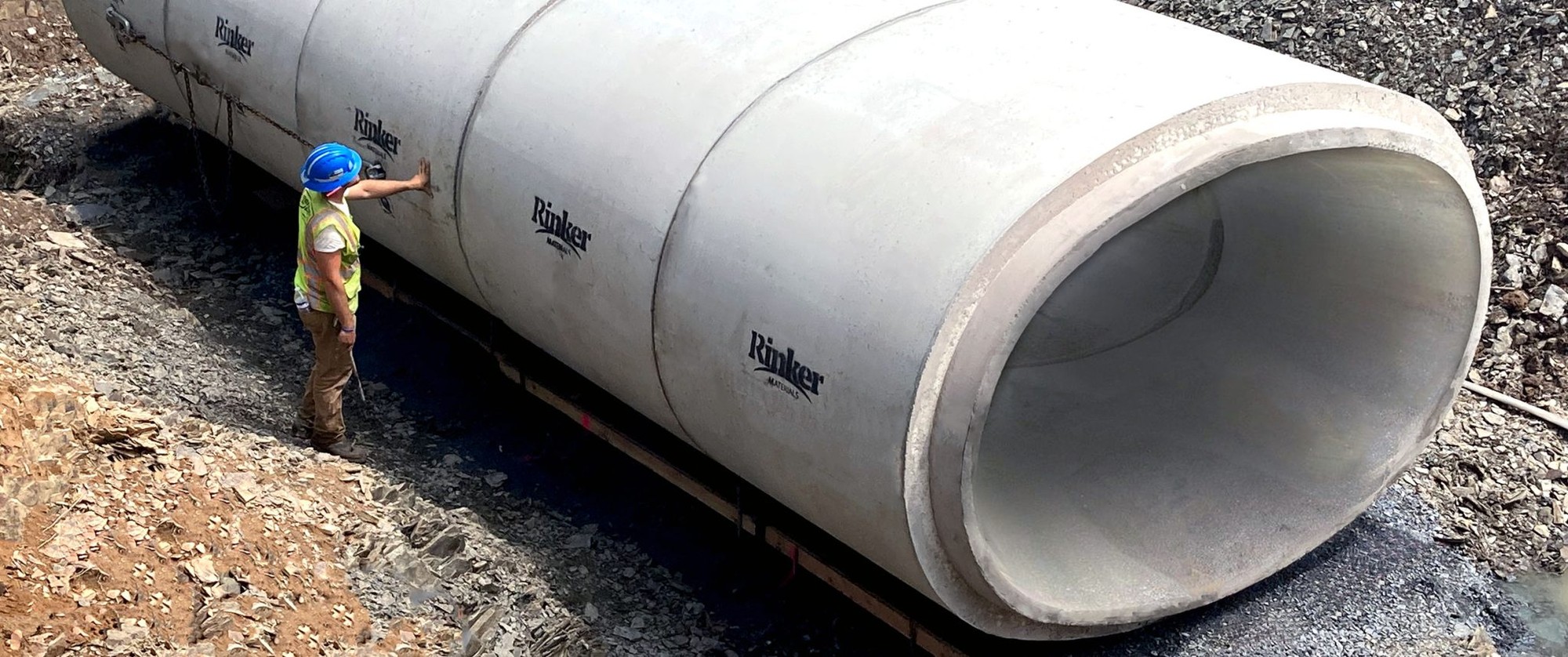
And the modern arch-shaped storm drain: