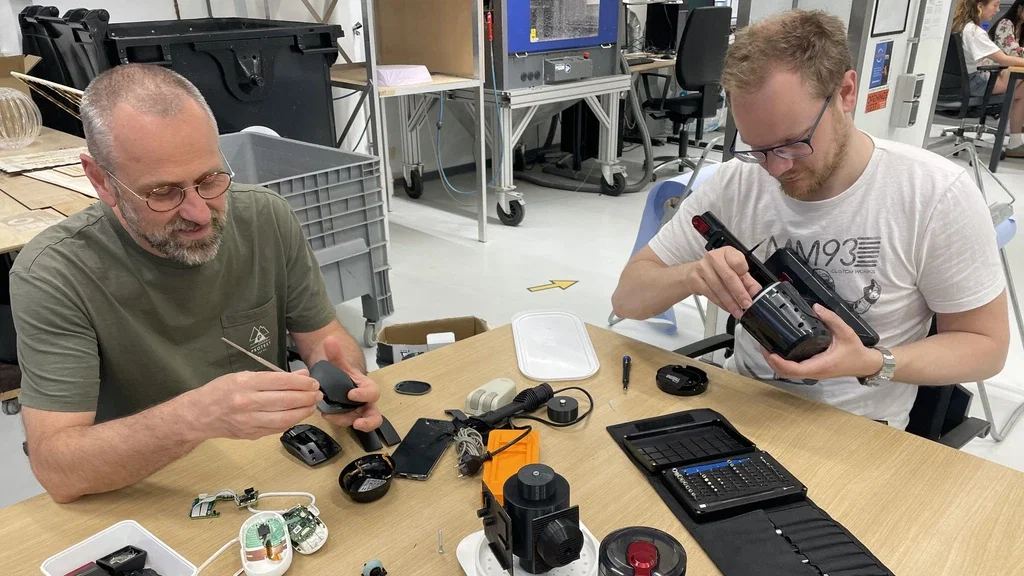
The products covered by the obligation to repair currently include:
- washing machines and washer-dryers
- dishwashers
- refrigerators
- electronic displays
- welding equipment
- servers and data storage products
- mobile phones, cordless phones and tablets
- tumble dryers
- e-bikes and e-scooters batteries (from 18 February 2027)
- local space heaters
They pass dystopian chat control with one hand and does this with the other.
Hopefully this will benefit other countries indirectly, instead of designing one repairable phone and one not repairable, should be easier to just design one.
“Hold my beer” - Nintendo, releasing an EU centric revision. Meanwhile Apple and Samsung are digging up every legal loophole to prevent the law applying to their devices.
iPhones are already super easy to repair. Apple have been at the forefront of this for years.
For the downvoters who are too blinded by their hate for Apple to believe facts:
https://www.ifixit.com/repairability/smartphone-repairability-scores
PROS
- Display and battery repairs are well-prioritized, though not as well as in other (dual-entry) iPhone models.
- Torx screws secure the battery assembly in place, making replacements straightforward.
- Repair parts and instructions are available straight from Apple.
CONS
- Five different screwhead types and the continued reliance on adhesives complicate basic repairs.
Are we talking about the same apple that invented a new type of screw to keep people from taking their phones apart? The same apple that once people could get a trilobe driver, then made it so that generic replacement screens would not work because of some protection from non-apple hardware? Then went on to make sure that you can’t use non-apple parts in a laptop?
the same apple that locks individual parts of devices to user accounts so that they can’t be used for repair?
Same Apple. Signing new parts to your device is incredibly simple and DIY now.
https://www.ifixit.com/repairability/smartphone-repairability-scores
PROS
- Display and battery repairs are well-prioritized, though not as well as in other (dual-entry) iPhone models.
- Torx screws secure the battery assembly in place, making replacements straightforward.
- Repair parts and instructions are available straight from Apple.
CONS
- Five different screwhead types and the continued reliance on adhesives complicate basic repairs.
…but only if you buy the parts new.
I wouldn’t want to be putting second hand parts in my phone when repairing it. I can’t imagine there are many second hand screens or batteries around for sale given they’re the things that are replaced the most.
Not that I’d ever want a second hand screen or battery anyway.
Not an option if you love somewhere where official parts are not for sale.
Super easy to repair by certified repair shops or easy to repair by people at home with minimal tool requirements?
At home with minimal tool requirements
https://www.ifixit.com/repairability/smartphone-repairability-scores
PROS
- Display and battery repairs are well-prioritized, though not as well as in other (dual-entry) iPhone models.
- Torx screws secure the battery assembly in place, making replacements straightforward.
- Repair parts and instructions are available straight from Apple.
CONS
- Five different screwhead types and the continued reliance on adhesives complicate basic repairs.
Company that rates self repairability of phones: iPhones are easy to repair by yourself using basic tools
Lemmy: no, that can’t be true because we hate apple
Well done Europe! It should make it possible for other industries too!