What I say, and you deny is that not every person who voted republican support a militarized ethostate.
Given that the candidate they voted for was pretty open about his intentions to push for a militarized ethnostate, what you say suitable for fertilizing crops. At a bare minimum, every Republican Voter considers Nazism to be at least not a deal-breaker. And that brings us back to that table with 10 Nazis.
The point you keep missing is that there is bad beyond nazism.
No, I’m not missing that, it’s just not relevant to your original argument (people who call out Nazis call everyone they disagree with a Nazi). Let’s stay on topic here. Saying “people call everyone they disagree with a Nazi” and then giving two examples that are both totally valid callouts of Nazism is carrying Nazis’ water. If you’re making the same arguments against people calling out Nazis that Nazis make, then you’re doing Nazis’ work, regardless of what your intentions may have been.
Just a question for the fun on it. Those new nazis you create with you rethoric can also create new nazis?
So there are the original nazis, we all agree there are nazis. Then anyone you think is too close to them you said they are alzo nazis. The famous table with ten nazis.
Can those new nazis also create newer nazis if other people sit with them?
And this newer nazis can also create even newer nazis when other people happen to sit with them, or saying that them being friends to a person who is friend of a person who is friend of a person who voted for an orange nazi, that automatically create other nazi?
Where does the if you sit near a nazi you are a nazi ever stops? How degrees of proximity of the original nazi you consider enough so you don’t think they are nazis?
For real. A person who is a friend of a person who is a friend of a person who voted for Trump? Nazi or not nazi?
For the second or third time in this thread: The other nine Nazis aren’t Nazis bcs of their proximity to a Nazi, but because of their willingness to socialize with a Nazi.
You’re deliberately misrepresenting anti-Nazi arguments to try to defend people who are happily supporting Nazism. If you’re not a Nazi you’ll do til someone actually starts goose stepping and throwing out Roman salutes.
Elon Musk is indeed a Nazi, if that’s what your reference was about.
My question is specifically about socialising voluntarily and friendly.
I will make the question more clear.
Person A = Donald Trump
Person B = Person who voted for Donald Trump, doesn’t self define as a Nazi, personally this person doesn’t consider Donald trump a Nazi
Person C = Person who didn’t vote for Trump, thinks Trump is a nazi but is friends with person B. this person doesn’t consider person B a nazi.
Person D = Person who didn’t vote for Trump, thinks Trump is a nazi but is friends with person C, knowing that person C is friends with person B.
Person E = Person who didn’t vote for Trump, thinks Trump is a nazi but is friends with person D, knowing that person D is friends with person C.
All this people are willing to socialise with their friends, they know them, and they know their political stances (only A and B vote republican) and they know who are their friends with. How many of those people would you consider Nazis?
Until now I understood that you would consider all of them nazis, also any subsequent friends of this little friendship chain. But feel free to correct me and tell me otherwise.


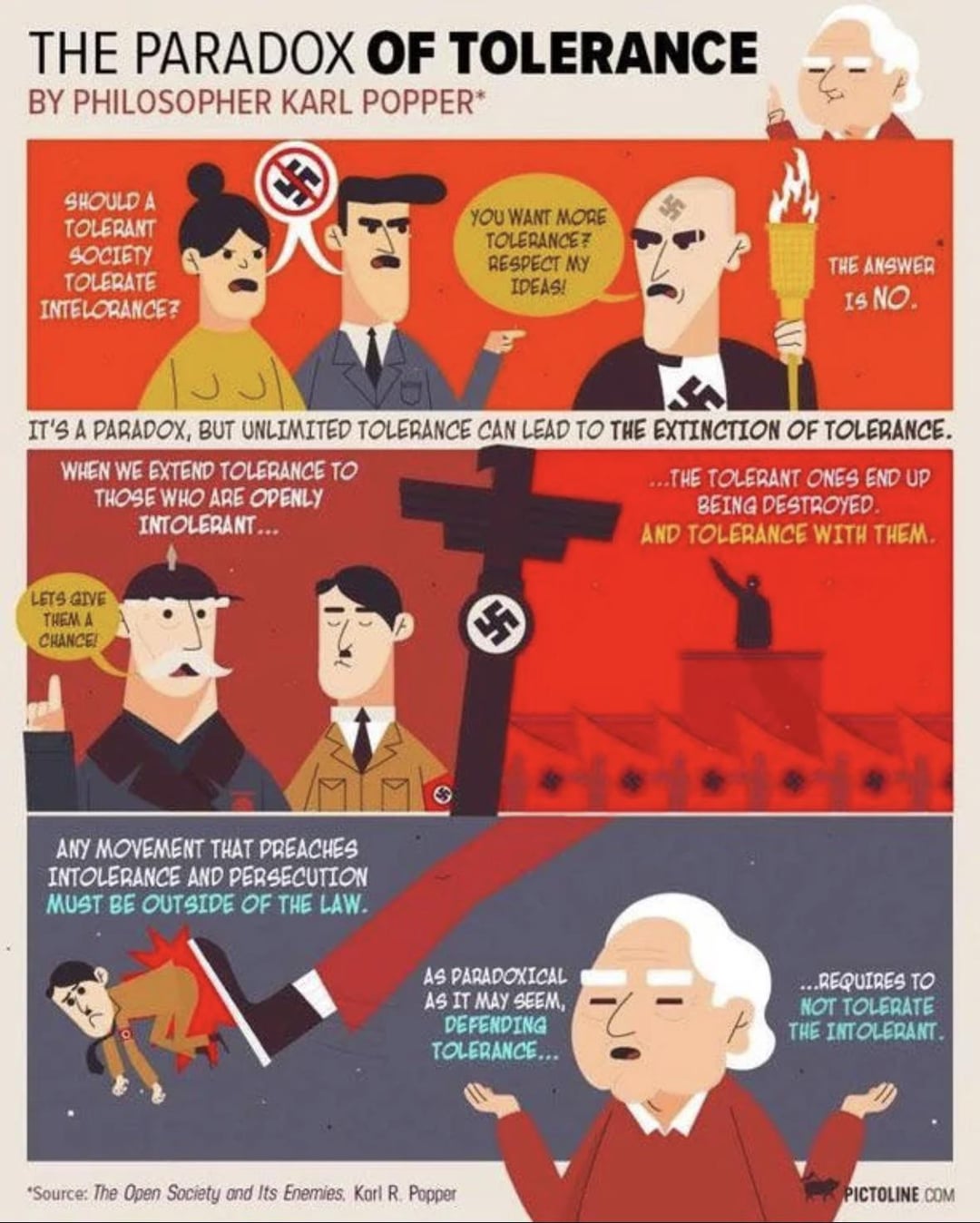
Given that the candidate they voted for was pretty open about his intentions to push for a militarized ethnostate, what you say suitable for fertilizing crops. At a bare minimum, every Republican Voter considers Nazism to be at least not a deal-breaker. And that brings us back to that table with 10 Nazis.
No, I’m not missing that, it’s just not relevant to your original argument (people who call out Nazis call everyone they disagree with a Nazi). Let’s stay on topic here. Saying “people call everyone they disagree with a Nazi” and then giving two examples that are both totally valid callouts of Nazism is carrying Nazis’ water. If you’re making the same arguments against people calling out Nazis that Nazis make, then you’re doing Nazis’ work, regardless of what your intentions may have been.
Just a question for the fun on it. Those new nazis you create with you rethoric can also create new nazis?
So there are the original nazis, we all agree there are nazis. Then anyone you think is too close to them you said they are alzo nazis. The famous table with ten nazis.
Can those new nazis also create newer nazis if other people sit with them?
And this newer nazis can also create even newer nazis when other people happen to sit with them, or saying that them being friends to a person who is friend of a person who is friend of a person who voted for an orange nazi, that automatically create other nazi?
Where does the if you sit near a nazi you are a nazi ever stops? How degrees of proximity of the original nazi you consider enough so you don’t think they are nazis?
For real. A person who is a friend of a person who is a friend of a person who voted for Trump? Nazi or not nazi?
Now i know you’re arguing in bad faith.
For the second or third time in this thread: The other nine Nazis aren’t Nazis bcs of their proximity to a Nazi, but because of their willingness to socialize with a Nazi.
You’re deliberately misrepresenting anti-Nazi arguments to try to defend people who are happily supporting Nazism. If you’re not a Nazi you’ll do til someone actually starts goose stepping and throwing out Roman salutes.
Elon Musk is indeed a Nazi, if that’s what your reference was about.
My question is specifically about socialising voluntarily and friendly.
I will make the question more clear.
Person A = Donald Trump
Person B = Person who voted for Donald Trump, doesn’t self define as a Nazi, personally this person doesn’t consider Donald trump a Nazi
Person C = Person who didn’t vote for Trump, thinks Trump is a nazi but is friends with person B. this person doesn’t consider person B a nazi.
Person D = Person who didn’t vote for Trump, thinks Trump is a nazi but is friends with person C, knowing that person C is friends with person B.
Person E = Person who didn’t vote for Trump, thinks Trump is a nazi but is friends with person D, knowing that person D is friends with person C.
All this people are willing to socialise with their friends, they know them, and they know their political stances (only A and B vote republican) and they know who are their friends with. How many of those people would you consider Nazis?
Until now I understood that you would consider all of them nazis, also any subsequent friends of this little friendship chain. But feel free to correct me and tell me otherwise.