OK short term but comes with increased risk of all cause mortality if you stick to it for long (especially after 5 years, it rises exponentially if more than 20 years).
The World Health Organization (WHO) classifies night shift work as a Group 2A “probable carcinogen.” Suppressing melatonin (the sleep hormone) via artificial light at night disrupts natural cellular repair, increases oxidative stress, and alters DNA repair mechanisms, increasing the long-term risk of cancers (particularly breast, prostate, and colorectal cancers).
Best to keep it to less than 5 years to minimize risk. Employers should ve compensating substantially if it’s longer than that.

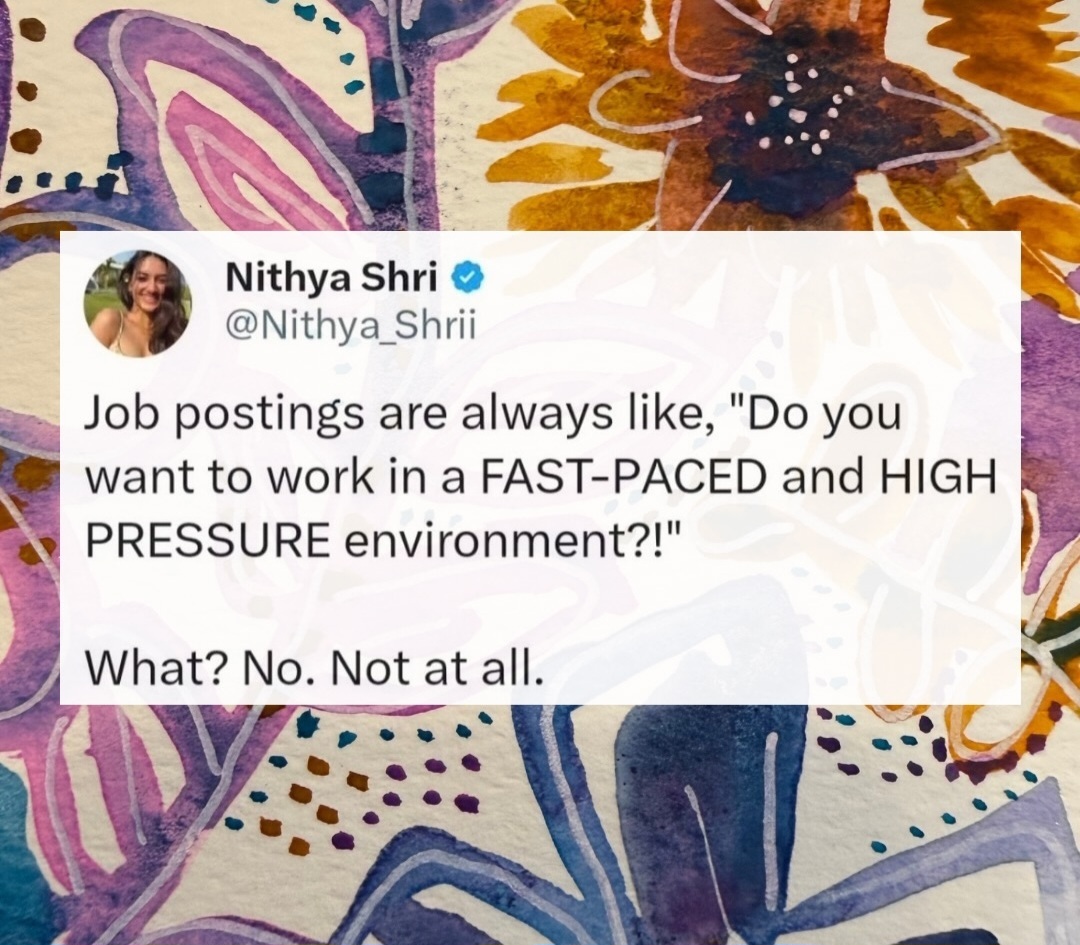
I want to work at a CHILL JOB where I can TAKE IT EASY and FINISH WHENEVER.
Have you considered night shift?
I mean, yes it’ll destroy your sleep schedule but it is very chill.
OK short term but comes with increased risk of all cause mortality if you stick to it for long (especially after 5 years, it rises exponentially if more than 20 years).
The World Health Organization (WHO) classifies night shift work as a Group 2A “probable carcinogen.” Suppressing melatonin (the sleep hormone) via artificial light at night disrupts natural cellular repair, increases oxidative stress, and alters DNA repair mechanisms, increasing the long-term risk of cancers (particularly breast, prostate, and colorectal cancers).
Best to keep it to less than 5 years to minimize risk. Employers should ve compensating substantially if it’s longer than that.