Even with gills, the mouth is where they breath in
- 1 Post
- 3.08K Comments
Joined 3 years ago
Cake day: July 16th, 2023
You are not logged in. If you use a Fediverse account that is able to follow users, you can follow this user.
I use Ubuntu BTW 🤓

Maybe even both

Tbf he himself didn’t either


 4·1 month ago
Orphans would be best
Maybe they are color blind
Woke gone too far!
Some gay frogs know that the scorpion is the only force against Islamism and therefore pro gay rights. You want to live under Sharia law as in Iran and since recently in New York? (/s if not obvious)
It’s not Wednesday but Thursday. Source:

The absence of evidence is no evidence of absence
When topologists say, a mug is a donut, this is not what they mean
Before enshitification
It’s actually IOF
It’s not good vs evil. Both major US parties are evil but Republicans are worse
That’s why I spent years learning languages so I don’t relie on them
Because it takes so long, right? Right?
I think that was a revenge fantasy for Babylonians. So it didn’t happen, not even according to the biblical narrative, which doesn’t really make it better.
About Amalek, the Bible says among other things: “You shall blot out the name of Amalek from under heaven. Do not forget!”
Adding to the obvious irony, there is no mention of them outside the Bible. So assuming they were a historical people, the only book that preserve their name is the one that tells us to wipe it from memory.

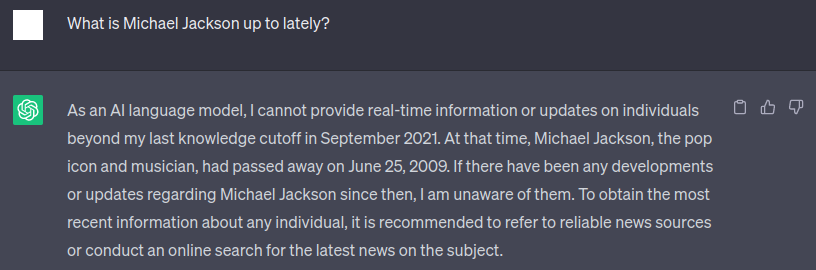
Reminds me of this