

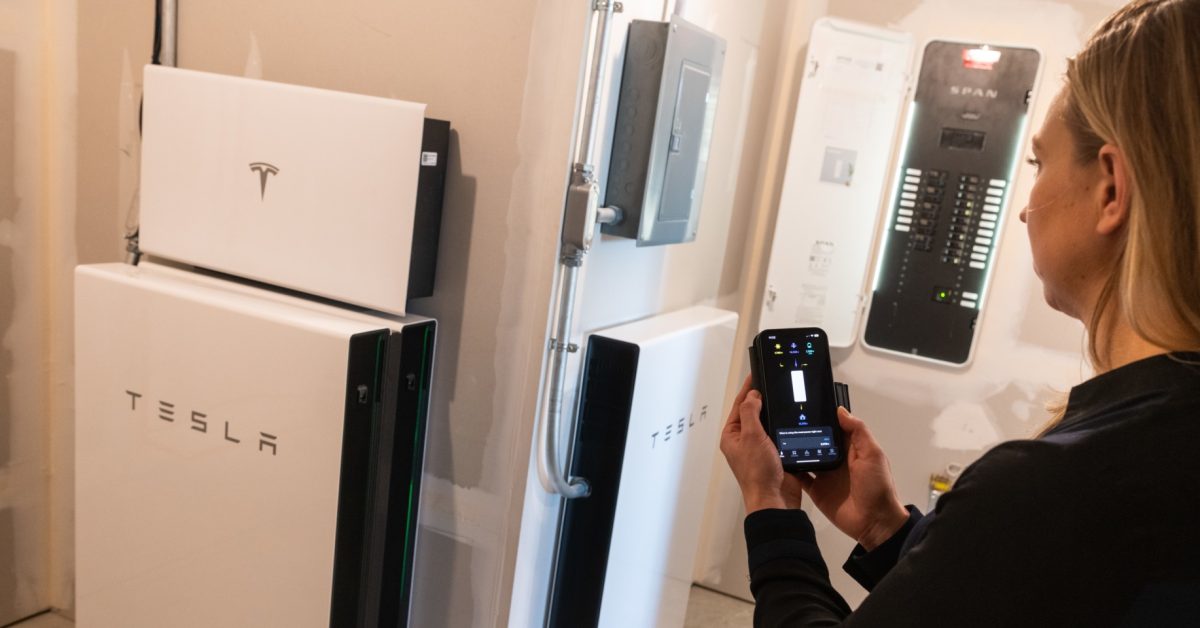
This could be excellent if not for the predatory lease contract. I guess humans can’t help themselves.
Yeah, I had someone tell me about those. It’s wildly obnoxious and stupid, but electricity can be scary, I guess.
Oddly enough. I think that’s where we got plumbers and building regulations.
Extortionary middlemen is probably a good sign of the inevitable lol
But what happens when there is no feed to the battery?
Batteries, which are charged during non-peak times, can feed the grid during peak times. This levels out the demand and reduces the number of power plants needed to be kept on standby to support that peak usage. Batteries won’t replace the powerplants supplying base load, but they can replace the ones that only exist to supply peak load.
When there is no feed to the battery, it’s typically because of storms or other temporary interruptions which cut you off from the powerplants. In which case, more batteries will help, but more powerplants will not.
The rural parts of vermont lose power so frequently from storms causing trees to fall on power lines, it makes financial sense to the power company to install a battery that can last long enough until the line is fixed and power can be returned, charging the battery back up in the process.
When sized correctly (and configured with proper non-essential load-shedding), whole home batteries can keep freezers and refrigerators running for days. Sometimes, they’re even enough to keep your a/c or furnace going for a good bit.
Using batteries like this is great in places like Vermont or the PNW because of how many trees there are. I live in the PNW, and we get frequent outages from trees falling on lines. Normally, tree-related outages only last for a few hours at most, so these systems cover that gap.
There’s another benefit for the power companies, in that they can have residents feed partially from the batteries during high grid stress. That helps to lessen the load on the rest of the power infrastructure.
So yes, when they’re not fed for awhile, you’ll still lose power. Overall, though, you’ll experience less time without power since these will cover the shorter, more common outages.
Solar say what? It’s not about 100% replacements, it’s about reduction and augmentation.
I lived on The Lake in NH, good sunshine isn’t a guarantee.