No it’s simple see 16oz is 1.2 flasks which is easy to remember because it’s based on King Ralph’s favourite cup and Ralph famously died tripping over a cocksnake (unfortunate name but I won’t censor history) and what do you trip with? That’s right, your feet. And how many feet do you have? Exactly, 2. Hence 1.2 flasks to 1 16oz can.
That’s a ridiculous mischaracterization. The word “Ounce” derives from a word meaning “one twelfth”, so just like the inch to the foot, an ounce is either one sixteenth of a queen Anne pound of wine (which is itself based on the Queen Anne gallon of wine, or 231 cubic inches of wine), or one twentieth of an imperial pint, which is an eighth of an imperial gallon, which is ten water pounds.
Genuine curiosity, other than the Queen Anne pound of wine (a joke I meant to contrast the imperial gallon’s definition) and saying “Queen Anne gallon of wine” instead of the “wine gallon” defined by Queen Anne in 1707 (now referred to as the “Queen Anne wine gallon”), which parts are incorrect?
I mean, one would hope that a nation would know at least one system. If they tell me one more time “it just makes more sense” about stupid fahrenheit it will be too much.
The freezing and boiling points of MALT does not a good system make!
If I want to be refreshed, yeah. Also, unless it’s scalding hot it shouldn’t damage teeth - you might want to look into the content of your water rather than it’s temperature if it’s damaging your tooth enamel.
One of my pet peeves is people thinking units of the past or people in the past were stupid, as opposed to just prioritizing different things.
The low end was based on the stabilizing temperature of a solution of water, ice and salt in a proportion lost to time. The benefit was that a water/ice/salt solution will stabilize it’s temperature naturally until the ice melts, making it useful for calibrating something like a thermometer: “ice” can be below the freezing point, but you can use the solution to set a steady baseline: the liquid will be 0°F.
The next steady baseline was body temperature, available to anyone measuring.
The scale was then set so that the freezing and boiling points of water were 180° apart. This was useful because it put them on opposite sides of a dial.
It was before we decided that ten was the ultimate number that couldn’t be beat, so people still played with circular symmetry, thirds and so one.
This meant you could calibrate your thermometer by setting 0 to bring, 100 to your body, and then pushing steam through it and adjusting the offset so that the intervals were right and you correct body temperature variance. Some specific numbers have changed over the years as we adjust the scale to be based on metric.
Not stupid or arbitrary, just prioritizing things we don’t care about so much any more.
Celsius and the other are both based on absolute zero and a very specific change in energy levels in the medium, so it’s ultimately moot. Neither is technically based on what they originally were. https://en.wikipedia.org/wiki/2019_revision_of_the_SI

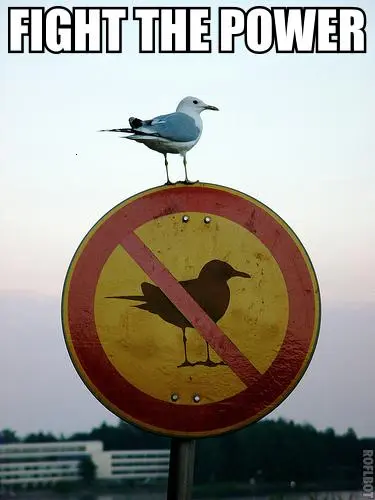

They don’t understand imperial either though.
Nobody understands Imperial.
No it’s simple see 16oz is 1.2 flasks which is easy to remember because it’s based on King Ralph’s favourite cup and Ralph famously died tripping over a cocksnake (unfortunate name but I won’t censor history) and what do you trip with? That’s right, your feet. And how many feet do you have? Exactly, 2. Hence 1.2 flasks to 1 16oz can.
That’s a ridiculous mischaracterization. The word “Ounce” derives from a word meaning “one twelfth”, so just like the inch to the foot, an ounce is either one sixteenth of a queen Anne pound of wine (which is itself based on the Queen Anne gallon of wine, or 231 cubic inches of wine), or one twentieth of an imperial pint, which is an eighth of an imperial gallon, which is ten water pounds.
Flasks are a unit of mercury weight, obviously.
This must be from AI since it is so confidently wrong.
Genuine curiosity, other than the Queen Anne pound of wine (a joke I meant to contrast the imperial gallon’s definition) and saying “Queen Anne gallon of wine” instead of the “wine gallon” defined by Queen Anne in 1707 (now referred to as the “Queen Anne wine gallon”), which parts are incorrect?
Tbf does anybody? It’s a pretty stupid system.
Tonnes of engineering white papers showing how much imperial measure errors cost US industry.
And what size are those white papers, that’s right US letter standard
Don’t you mean kilograms of white papers? :P
Metric ton (1000 kg), not imperial/long ton (2240 lbs) or US/short ton (2000 lbs).
Metric 1000kg is a tonne. There is no metric “ton”.
I mean, one would hope that a nation would know at least one system. If they tell me one more time “it just makes more sense” about stupid fahrenheit it will be too much.
The freezing and boiling points of MALT does not a good system make!
It’s a better system for weather, but that’s about it. 0 is very cold, and 100 is very hot. No decimals needed.
… Please stop. Its not only not true it is also very silly. No its not good for weather, 78 is not a temp for a room.
look at arizona and boil in the heat of the average house
I’ve always explained °Fwith:
0° = Cold AF
100° = Hot AF
50° = Chilly, but manageable
Why are you all like this?
For Celsius
0º - water becomes solid - it’s cold
25º - water is refreshing - ideal temperature
50º - water is scalding - dangerous
100º - water is boiling - guaranteed serious injure territory from this point forward
And, since nobody seems to reach an agreement…
For Kelvin
0º - matter has ceased to move; collapse of matter and reality as we understand it - it’s cold
273.15º - water is remains solid - still cold
298.15º - water is a fluid, drinkable, safe to enter - ideal temperature
323.15º - water is capable of delivering serious injuries upon contact - dangerous
373.15º - water is passing into vapour form at high rythm - avoid proximity and all contact from this point forward
FYI: Kelvin doesn’t use the degree symbol. It’s not degrees Kelvin, just Kelvin.
I’ll leave as a testimony of my idiocy. May those seeking to demonstrate my ineptitude never lack evidence.
Get the fuck out of here with your miserable warm water, water is refreshing between 3° and 10°C.
You want to take a swim in water at that temperature? Be my guest. And drinking water that cold? I don’t my teeth enamel redone.
If I want to be refreshed, yeah. Also, unless it’s scalding hot it shouldn’t damage teeth - you might want to look into the content of your water rather than it’s temperature if it’s damaging your tooth enamel.
There is no battery acid in it, I can assure you.
THAT’S WHAT IT’S BASED ON?
One of my pet peeves is people thinking units of the past or people in the past were stupid, as opposed to just prioritizing different things.
The low end was based on the stabilizing temperature of a solution of water, ice and salt in a proportion lost to time. The benefit was that a water/ice/salt solution will stabilize it’s temperature naturally until the ice melts, making it useful for calibrating something like a thermometer: “ice” can be below the freezing point, but you can use the solution to set a steady baseline: the liquid will be 0°F.
The next steady baseline was body temperature, available to anyone measuring.
The scale was then set so that the freezing and boiling points of water were 180° apart. This was useful because it put them on opposite sides of a dial.
It was before we decided that ten was the ultimate number that couldn’t be beat, so people still played with circular symmetry, thirds and so one.
This meant you could calibrate your thermometer by setting 0 to bring, 100 to your body, and then pushing steam through it and adjusting the offset so that the intervals were right and you correct body temperature variance. Some specific numbers have changed over the years as we adjust the scale to be based on metric.
Not stupid or arbitrary, just prioritizing things we don’t care about so much any more.
Celsius and the other are both based on absolute zero and a very specific change in energy levels in the medium, so it’s ultimately moot. Neither is technically based on what they originally were.
https://en.wikipedia.org/wiki/2019_revision_of_the_SI