

@NightOwl They have. It’s a combination of very combustible fuel because of low water levels due to drought (climate change), years of extinguishing fires that would naturally cull the forest of fuel but not cause harm to big trees, the ban on Indigenous cultural burning used to protect forests and communities AND monoculture forests created by post-logging tree planting. You just need to listen consistently to lots of shows and over time the interviews stack up and you get the big picture.
Comments like this is why I don’t spend much time here anymore. Particularly how popular it is.
The article is fairly short and straightfoward.
It’s just a few short paragraphs before it shows a graphic indicating only 9% of 2023 articles made a connection to the burning of fossil fuels

Then they mention the 2024 number and the 2025 numbers.
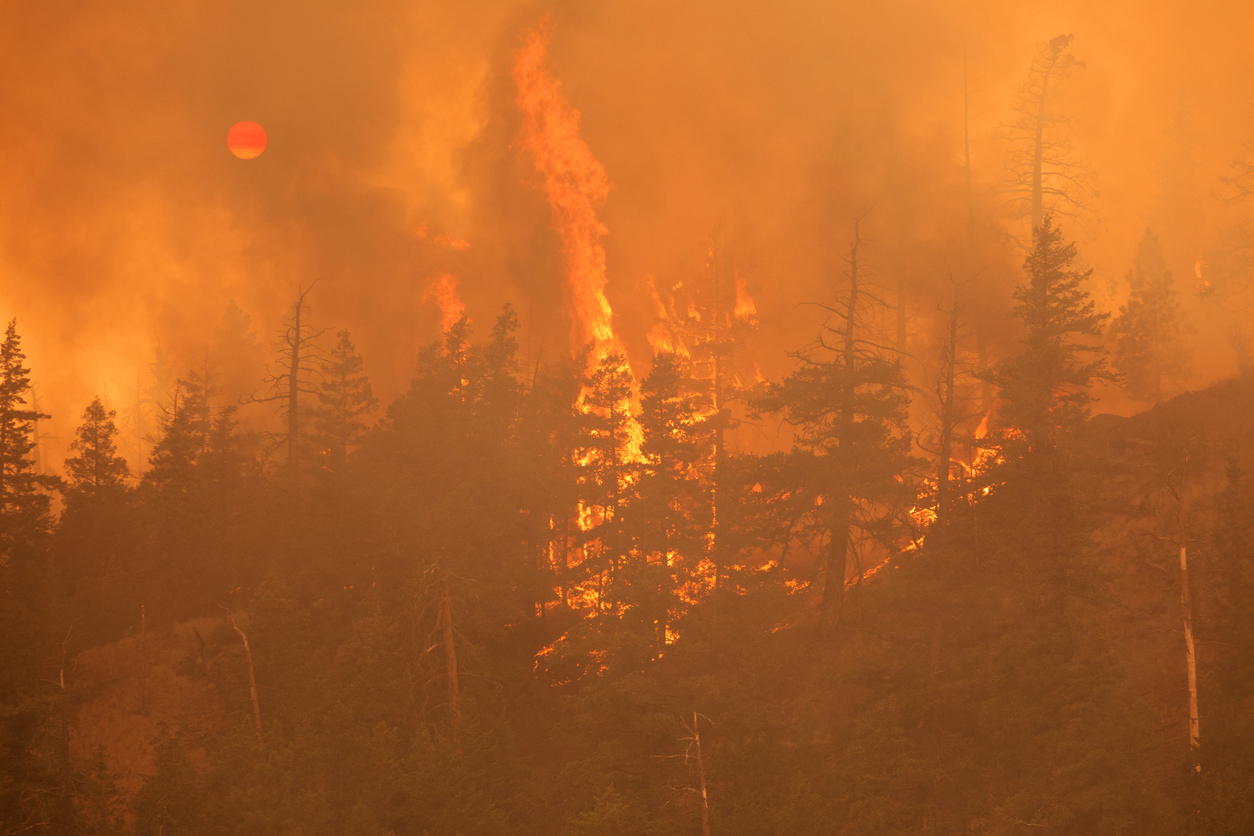
During my recent interview with The Breach podcast, host Desmond Cole shared the results of the outlet’s informal review of 59 CBC stories during recent wildfire coverage. Only seven mentioned climate change, global warming or fossil fuels and most of those mentions came from interviewees rather than CBC journalists.
Posting a couple links from CBC in no way disputes the findings from the article. I don’t even think this person read the damn thing.
This one doesn’t: https://www.cbc.ca/news/canada/british-columbia/wildfire-smoke-health-effects-how-to-protect-air-quality-9.7297727
Nor this one: https://www.cbc.ca/news/canada/british-columbia/bradley-creek-evacuee-wildfire-9.7297911
This one? Nope. https://www.cbc.ca/news/world/spokane-washington-wildfires-9.7297896
This one really seems like it should, but it doesn’t: https://www.cbc.ca/news/world/south-korea-heatwave-9.7296123
Personally, when I’m reading an article, I skim past the parts that explain climate change, unless it has some new bit of information (ex. updates to historical trends). It’s not because I doubt climate change, but because I’m pretty familiar with the core points already.
I think it is helpful to talk about it in longer articles where you have room to dive into the topic, and put the current topic into a relevant wider context. However, I don’t think we should require it for the sake of mentioning it. It’s not effective at changing minds when its done like that.
I agree that the last article should have included the wider context. I would also be concerned if there is a growing pattern of not mentioning it when it needs to be. On this last point, while it’s more difficult, I would prefer if they analyzed sentiment and phrasing rather than counting mentions.
Both articles were published August 6th, think it’s fair to give OP’s article the benefit of the doubt.
eh, got me there. Nearly identical to OP’s article just slight differences.
CBC covers climate change almost every day. And reasonably well.
Climate change deniers don’t consume CBC media. So they don’t need to spoon feed the cause to their audience at every turn.
CBC has a huge fear of being controversial, which given extremes that pass for normal these days, and it results in the softening of anything that migh stir the hornet’s nest.
I get the criticism, but it also over assumes the CBC’s influence. We all have “the context [we] need to understand the crisis”, some choose ignorance. The CBC can’t fix that.
I mean, I’ve seen this a lot. It’s climate change. Probably because I’m kinda close to it?
Hard to miss here, honestly.
Hey OP post this in Buy Canadian.
We supported them, even paid for subscriptions out of principle.
I think it’s time we did our thing.