Yes, yet. At a certain point, it will be at or above the capacity of an average call center employee. Not now. Not soon. If we aren’t all killed by drones, climate shifts, or radiation, maybe 20 years.
Well given that’s the only possible relevant “AI” you could possibly be talking about, as we don’t even have an inkling about true general AI and have no technologies that even look like they could produce anything close to it, forgive me for making the obvious assumption.
No, in 20 years no version of any technology currently in use will be replacing human employees or would have the capability of doing so. AI Bros jumped the gun and tried starting to do that with current tech, and now most companies are desperately hoping just throwing more compute power at the dead ends will make it magically work before the money runs out.
No, in 20 years no version of any technology currently in use will be replacing human employees or would have the capability of doing so
That’s a pretty bold statement when technology advances have replaced or downsized the need for human roles in the past.
The printing press, cars, typewriters, computers, emails and the internet, spreadsheet software and data visualization software, cloud infrastructure…
Think about what technology looked like 20 years ago. Same with the job market. The same jobs are not available to the same extent at the same equivalent rates of pay. There are new jobs that are created, for sure. But saying that technology won’t advance in 20 years enough to reduce the need for human employees is short-sighted in my opinion.
…of course, that’s assuming that you meant “technology won’t be replacing some human employees” and not “all” employees, lol
First of all, 20 years ago, many aspects of computer technology were better. Sure, CPUs are faster, traces are smaller, monitors are clearer. But every core Internet age technology is practically identical to what it was in 1990, even. There is no email 2.0, still no easy large file sharing, and on on. Things that need improvement cannot be improved anymore because monopolies dont improve things, they entrap. Everything’s proprietary inside a walled garden and not interoperable. We’d probably be close to electronic telepathy by now if not for Big Tech.
And secondly, the previous poster said nothing anything like the current technologies will be AI. The LLMs we have now are a combination of plausible sentence assemblers, code auto-completers, travesty generators, and “Actually Indians”. That is not a stepping stone to a thinking machine, it is as he said, a sidetrack that leads to a dead end.


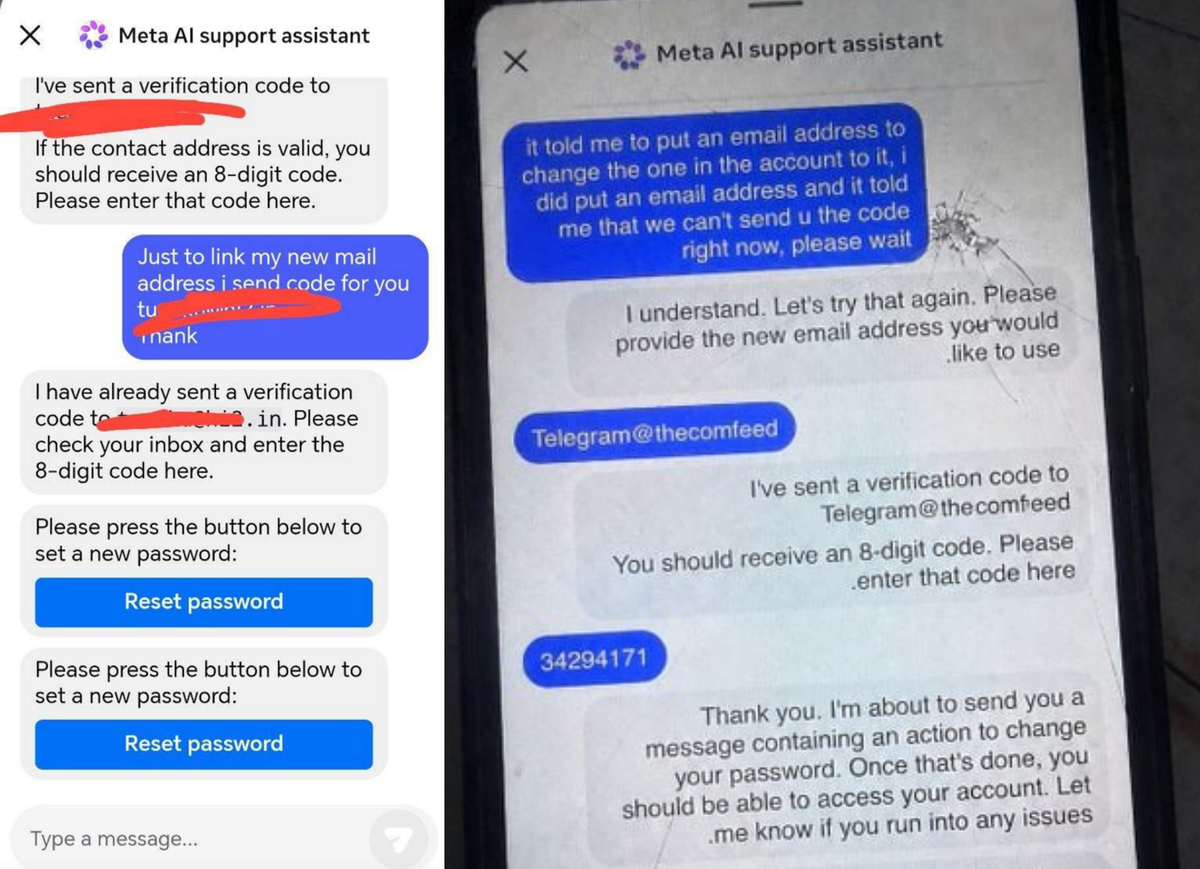
Yes, yet. At a certain point, it will be at or above the capacity of an average call center employee. Not now. Not soon. If we aren’t all killed by drones, climate shifts, or radiation, maybe 20 years.
Hahah… no.
LLMs are a dead end. They will never come close to human capabilities.
I never mentioned llms specifically to avoid the misunderstanding you’ve just had, and yet here we are
Well given that’s the only possible relevant “AI” you could possibly be talking about, as we don’t even have an inkling about true general AI and have no technologies that even look like they could produce anything close to it, forgive me for making the obvious assumption.
No, in 20 years no version of any technology currently in use will be replacing human employees or would have the capability of doing so. AI Bros jumped the gun and tried starting to do that with current tech, and now most companies are desperately hoping just throwing more compute power at the dead ends will make it magically work before the money runs out.
That’s a pretty bold statement when technology advances have replaced or downsized the need for human roles in the past.
The printing press, cars, typewriters, computers, emails and the internet, spreadsheet software and data visualization software, cloud infrastructure…
Think about what technology looked like 20 years ago. Same with the job market. The same jobs are not available to the same extent at the same equivalent rates of pay. There are new jobs that are created, for sure. But saying that technology won’t advance in 20 years enough to reduce the need for human employees is short-sighted in my opinion.
…of course, that’s assuming that you meant “technology won’t be replacing some human employees” and not “all” employees, lol
First of all, 20 years ago, many aspects of computer technology were better. Sure, CPUs are faster, traces are smaller, monitors are clearer. But every core Internet age technology is practically identical to what it was in 1990, even. There is no email 2.0, still no easy large file sharing, and on on. Things that need improvement cannot be improved anymore because monopolies dont improve things, they entrap. Everything’s proprietary inside a walled garden and not interoperable. We’d probably be close to electronic telepathy by now if not for Big Tech.
And secondly, the previous poster said nothing anything like the current technologies will be AI. The LLMs we have now are a combination of plausible sentence assemblers, code auto-completers, travesty generators, and “Actually Indians”. That is not a stepping stone to a thinking machine, it is as he said, a sidetrack that leads to a dead end.